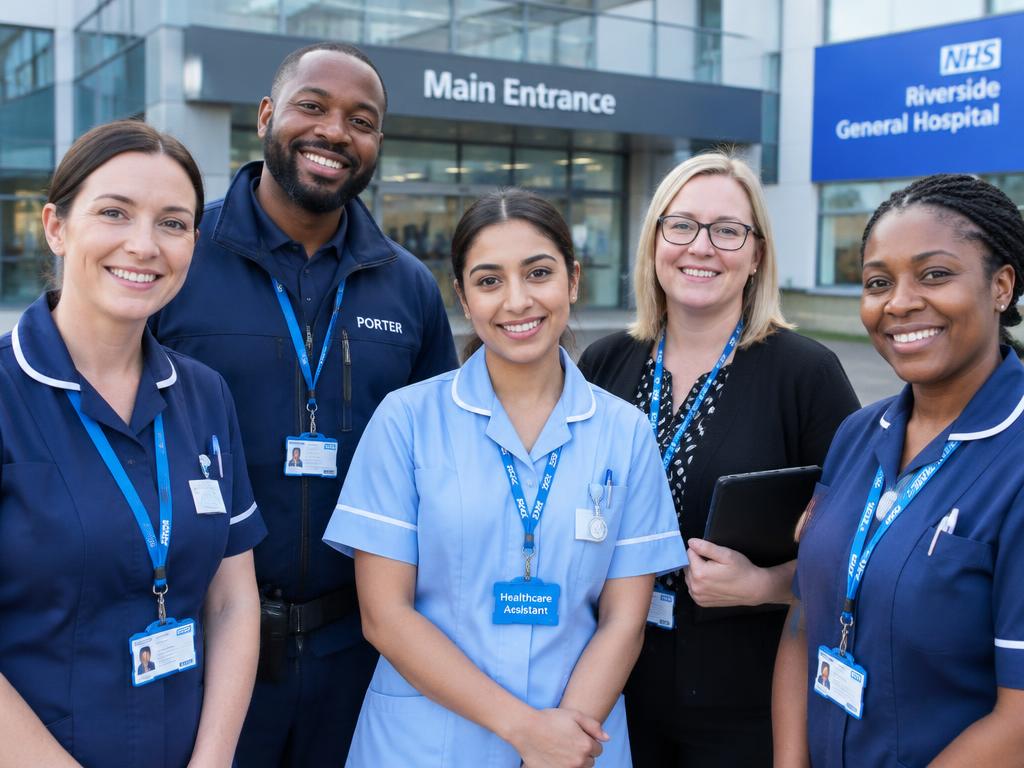
Liverpool offers a fantastic range of NHS careers in a city known for its vibrant culture, rich history, and affordable cost of living. This guide will walk you through where to find roles, how to navigate the application process, and what to expect from working in Merseyside’s diverse healthcare landscape.
Finding your perfect NHS role in Liverpool
Your first port of call for almost all NHS jobs in England is the official NHS Jobs website. It’s the central hub where trusts and other health organisations advertise their vacancies, from frontline clinical roles to essential support services.
To narrow your search to the Liverpool area, you can use the location filter. You can enter "Liverpool", a specific postcode, or even define a radius around your home to see what's commutable. Combining this with keywords for your profession (e.g., "Paramedic", "Healthcare Assistant", "Finance Manager") and filtering by Agenda for Change (AfC) pay band will help you find the most relevant opportunities.
Many NHS trusts use a recruitment system called Trac Jobs to manage their applications. Often, you'll find the job on NHS Jobs, click 'apply', and be taken to the trust's Trac portal to complete the form. It's a good idea to save a core version of your application information to make this process quicker each time.
A crucial tip: apply sooner rather than later. Adverts often state a closing date, but many will close early if they receive a high volume of suitable applications. Set up email alerts on NHS Jobs for your search criteria so you never miss a new opening.
Major NHS employers in Merseyside
The Liverpool City Region has a diverse mix of NHS organisations, offering a wealth of different working environments. You aren’t just limited to large acute hospitals; there are opportunities in community care, mental health, and world-renowned specialist centres.
Some of the key employers in the area include:
- Liverpool University Hospitals NHS Foundation Trust: One of the largest trusts in the North of England, it runs Aintree University Hospital, Broadgreen Hospital, the Royal Liverpool University Hospital, and the Liverpool University Dental Hospital. This means a huge range of roles in acute and planned care.
- Mersey Care NHS Foundation Trust: A major provider of community and mental health services, as well as learning disability, addiction, and secure services across the North West. Roles here are often based in local clinics, community centres, or specialist inpatient units.
- The Walton Centre NHS Foundation Trust: A national centre for neurology and neurosurgery, offering highly specialised roles for staff interested in this cutting-edge field of medicine.
- Liverpool Women's NHS Foundation Trust: A specialist hospital dedicated to the health of women, babies, and their families, providing services in maternity, gynaecology, and neonatology.
- Alder Hey Children's NHS Foundation Trust: One of Europe's busiest children's hospitals, providing paediatric care and specialist services to children and young people.
This variety means you could build a long and varied NHS career without ever leaving the city, moving between different settings and specialisms as your interests and skills develop.
Mastering the NHS application process
The standard NHS application form is detailed. It covers your personal details, qualifications, and employment history. However, the most important section by far is the Supporting Information or 'supporting statement'. This is your chance to shine.
Every NHS job advert comes with a 'Person Specification' which lists the essential and desirable criteria for the role. These are the qualifications, skills, experience, and knowledge the hiring manager is looking for. Your supporting statement must be a direct response to this list. You need to provide evidence for how you meet each point.
For example, if an essential criterion is "excellent communication skills", don't just write "I have excellent communication skills." Instead, give a specific example: "In my previous role as a ward clerk, I was responsible for communicating sensitive information to patients and their relatives, both in person and over the phone. I developed a calm and empathetic approach, ensuring I always checked for understanding and handled difficult conversations with professionalism."
Structuring your statement around the person specification criteria makes it easy for the shortlisting panel to score your application. Our Application Copilot can help you structure your thoughts and ensure you cover all the key points effectively.
NHS values-based recruitment
The NHS is committed to recruiting people whose personal values align with those in the NHS Constitution. This 'values-based recruitment' approach means your attitudes and behaviours are just as important as your skills. Throughout the application and interview process, you'll be assessed on how you embody these six core values:
- Working together for patients: Collaboration and teamwork are key.
- Respect and dignity: Treating everyone with kindness and consideration.
- Commitment to quality of care: Striving for the best possible standards.
- Compassion: Showing empathy and understanding.
- Improving lives: Making a positive difference to patients and colleagues.
- Everyone counts: Ensuring no one is left behind or excluded.
Think about examples from your past experience where you have demonstrated these values, ready for your application and interview.
From interview to your first day
If your application is shortlisted, you'll be invited to an interview. This is typically with a panel of two or three people, including the hiring manager and a colleague from the team. The questions will be a mix of competency-based questions (e.g., "Tell us about a time you worked in a team") and values-based questions ("How would you show compassion in this role?").
Some interviews may also include a short test, a presentation, or a practical assessment, depending on the role. The interview invitation will usually tell you what to expect. Preparation is vital, so practice your answers and think about how your experience relates to the job and the NHS values.
If you're successful at the interview, you'll be given a conditional offer of employment. The 'conditional' part refers to the pre-employment checks that must be completed before you can start. These are standard for all NHS employees and include:
- Identity and Right to Work checks
- Professional registration and qualification verification
- References from previous employers covering a set period
- A Disclosure and Barring Service (DBS) check
- An occupational health assessment
This process can take time. It’s realistic to expect a period of 6 to 12 weeks between your interview and your first day. The trust's recruitment team will keep you updated, but it's important to be patient and not hand in your notice at your current job until you have an unconditional offer and a confirmed start date.
Pay, benefits, and living in Liverpool
Most jobs in the NHS are paid according to the Agenda for Change (AfC) system. This national framework has numbered pay bands, ensuring you receive equal pay for work of equal value, no matter where you are in the country. Your salary will progress up the points within your band each year until you reach the top.
Alongside your salary, you'll be eligible to join the highly-regarded NHS Pension Scheme, and you'll get a generous annual leave entitlement that increases with your length of service.
One of Liverpool's biggest draws is its affordability. Compared to London and many other major UK cities, the cost of living is significantly lower. Your salary will likely go much further here, particularly when it comes to housing. Whether you're looking to rent a flat in the vibrant city centre or buy a family home in a leafy suburb, you'll find your money goes a lot further.
For example, a Band 5 nurse working 30 hours a week could use an NHS take-home pay calculator to estimate their monthly net income. They could then compare this to average rental prices in different areas of the city, like Aigburth or the Georgian Quarter, to see what's affordable and how much they might have left for savings and leisure.
Getting around is also straightforward. The Merseyrail train network connects the city centre with the Wirral, Sefton, and surrounding areas, while an extensive bus network makes commuting by public transport a viable option for most. The city itself is famously friendly, with world-class culture, music, sport, and nightlife right on your doorstep.
Key takeaways
- The NHS Jobs website is the primary platform for finding vacancies in Liverpool; be sure to use location and keyword filters.
- Your application's supporting statement is crucial. Tailor it directly to the person specification for each job you apply for.
- Liverpool is home to a wide range of employers, from huge university hospitals to specialist mental health and community services.
- Be prepared for the pre-employment checking process, which typically takes 6-12 weeks from interview to start date.
- The combination of national NHS pay scales and Liverpool's lower cost of living can offer an excellent quality of life.