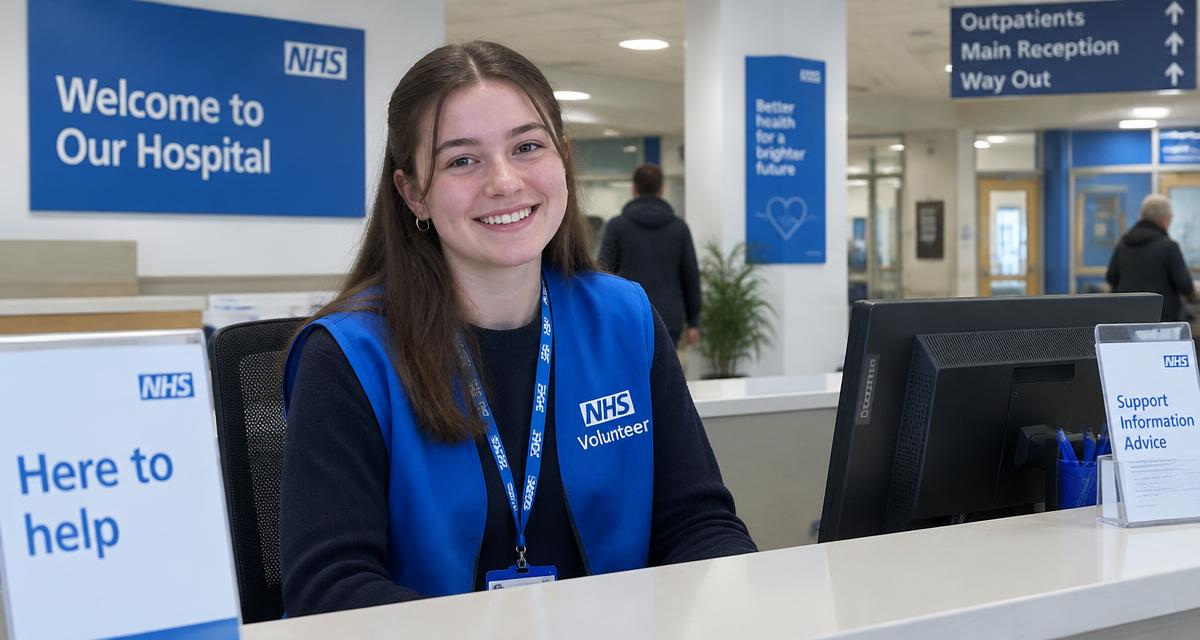
It’s one of the biggest myths out there: that you need a healthcare background or a string of qualifications to get a job in the NHS. The truth is, the NHS is the UK’s largest employer, and it needs people with all kinds of skills and from all walks of life. You can absolutely get a fulfilling job in the NHS with no direct experience, as long as you know where to look and how to showcase your potential.
Where to start your job search
Your first port of call should be the official NHS Jobs websites. Most jobs in England and Wales are advertised on the main NHS Jobs site, while Scotland uses Job Train and Northern Ireland uses HSC Jobs. Many individual NHS Trusts also use a recruitment system called Trac to manage their applications.
When you’re starting out, it’s best to search for keywords that signal an entry-level position. Try terms like:
- Trainee
- Apprentice
- Assistant
- Band 2
A crucial tip for NHS job hunting is to apply as soon as you see a role you like. Adverts for popular entry-level jobs can attract hundreds of applications very quickly, and hiring managers will often close the vacancy early once they have enough suitable candidates. Set up email alerts for your search terms so you don’t miss out.
The best entry-level NHS jobs for beginners
The NHS is a vast organisation with thousands of different roles. Many of them are perfect for people starting their careers or switching from another sector. Here are some of the most common and accessible jobs that don’t require prior experience.
Healthcare Support Worker (HCA) / Healthcare Assistant
This is probably the most well-known entry-level clinical role. As an HCA (often called a nursing auxiliary or support worker), you’ll work alongside nurses and other healthcare professionals to provide direct patient care. This might include helping patients to wash and dress, serving meals, taking basic observations like temperature and blood pressure, and making sure patients are comfortable. It’s a hands-on, rewarding job and the perfect first step towards a nursing or other clinical career. You don’t need the Care Certificate before you apply; this is something you’ll complete during your induction.
Administrative and Clerical Roles
Hospitals and clinics are busy places that rely on a huge team of admin staff to keep things running. Roles like ward clerk, receptionist, and clerical officer are vital. You’ll be answering phones, booking appointments, updating patient records, and liaising with clinical staff. If you have experience in customer service, retail, or any kind of office work, your skills in organisation, communication, and IT will be highly valued.
Estates and Facilities Roles
A hospital is like a small city, and it needs a huge team to keep it clean, safe, and operational. Roles in estates and facilities are essential for patient safety and a positive patient experience. This includes:
- Porters: Moving patients, equipment, and documents around the hospital. It’s a physically active role that requires a calm and reassuring manner.
- Domestics / Cleaners: Keeping wards and departments clean and hygienic to prevent the spread of infection. This is one of the most important jobs in the entire health service.
- Catering Assistants: Preparing and serving food to patients and staff, ensuring dietary needs are met.
These roles are a great way into the NHS, and they all offer opportunities for progression and development.
Apprenticeships
An NHS apprenticeship is a fantastic way to earn a salary while you train for a specific role and gain a formal qualification. Apprenticeships are available in hundreds of different areas, from business administration and finance to pharmacy services and healthcare support. They are designed for people with little or no experience in that field and provide a structured pathway into a long-term career.
Bank Work and Volunteering
If you want to gain experience before committing to a permanent role, consider joining your local Trust’s ‘staff bank’. Bank workers are like an internal temporary workforce, covering shifts when there are staff shortages. It offers flexibility and allows you to experience different wards and departments. Similarly, volunteering is a brilliant way to show your commitment to the NHS, develop new skills, and get a real feel for the healthcare environment.
Understanding the NHS application process
The standard NHS application form is more detailed than a typical CV. It’s a structured process designed to be fair and consistent. The most important part of your application is the ‘Supporting Information’ or ‘Supporting Statement’ section.
When you find a job advert, look for a document called the ‘Person Specification’. This is your cheat sheet. It lists all the ‘essential’ and ‘desirable’ criteria the hiring manager is looking for. To get shortlisted for an interview, you must demonstrate how you meet every single one of the essential criteria. The desirable criteria are bonuses that will help you stand out.
Your supporting statement is where you do this. Go through the person specification point by point and write a clear example of how you meet that requirement. Don’t just say “I have good communication skills.” You need to prove it with a real-life example. Our Application Co-pilot can help you structure your statement effectively against the person specification.
How to show you have the right skills (without a healthcare CV)
You have more relevant skills than you think. The key is to identify your ‘transferable skills’ – abilities you’ve gained from education, previous jobs, hobbies, or just life in general that are relevant to the NHS role.
Think about times you have demonstrated:
- Communication: Have you worked in a shop, café, or call centre? You’ve spent your days talking to people, listening to their needs, and explaining things clearly. That’s communication.
- Teamwork: Have you played a team sport, been part of a society, or worked on a group project at school or college? That’s teamwork.
- Organisation and Time Management: Have you ever had to juggle a part-time job with your studies, or manage a busy family household? That requires excellent organisational skills.
- Following Instructions: Have you followed a recipe, a set of assembly instructions, or company procedures in a previous job? That shows you can follow health and safety protocols carefully.
- Problem-Solving: Have you ever had to handle a customer complaint or figure out a better way to do a task? That’s problem-solving.
A practical example
Let's imagine Aisha is applying for a Band 2 admin role. She has only ever worked in a coffee shop. The person specification asks for 'experience of dealing with the public' and 'good organisational skills'.
In her supporting statement, she doesn't just say she has these skills. Instead, she writes:
"In my previous role as a barista, I regularly communicated with dozens of customers each hour, taking accurate orders and handling queries calmly during busy periods. This has prepared me to interact with patients and colleagues effectively and professionally. The role also required strong organisational skills, as I was responsible for managing stock levels, preparing the counter for the next shift, and ensuring health and safety checklists were completed on time."
This simple reframing connects her coffee shop experience directly to the requirements of the NHS job.
Demonstrating the NHS values
The NHS doesn’t just recruit for skills; it recruits for values. During the application and interview process, you’ll be assessed against the core values of the NHS Constitution. These are:
- Working together for patients
- Respect and dignity
- Commitment to quality of care
- Compassion
- Improving lives
- Everyone counts
Think about how your past experiences demonstrate these values. ‘Compassion’ could be shown by a time you helped an elderly neighbour with their shopping. ‘Working together for patients’ can be linked to any teamwork experience where you collaborated towards a shared goal. Weave these values into the examples you provide in your supporting statement and be prepared to talk about them at your interview.
What to expect after you apply
If your application is successful, you’ll be invited for an interview. This will likely be a ‘values-based interview’, where you’ll be asked questions that encourage you to share examples of when you have displayed behaviours that align with the NHS values.
If you are offered the job, the process isn’t over. The NHS has a series of rigorous pre-employment checks to ensure patient safety. These include:
- An identity check
- A right to work check
- Professional registration and qualification checks (if applicable)
- Reference checks from previous employers
- A Disclosure and Barring Service (DBS) check (for criminal records)
- An occupational health assessment
This stage can take a while. It’s not unusual for there to be a 6 to 12-week gap between your job offer and your first day, so be prepared for a bit of a wait. This is a good time to hand in your notice at your current job, but only once you have received an unconditional offer in writing.
Key takeaways
- You don’t need direct healthcare experience for many fantastic jobs in the NHS.
- Search for entry-level roles (like Band 2 HCA, admin, or porter) on official sites like NHS Jobs.
- The ‘Person Specification’ is the most important document; use it to structure your supporting statement.
- Focus on your transferable skills from other jobs, education, or life experience.
- Provide specific examples of how you have demonstrated the core NHS values.
- Be prepared for a thorough pre-employment checking process that can take several weeks after a job offer.