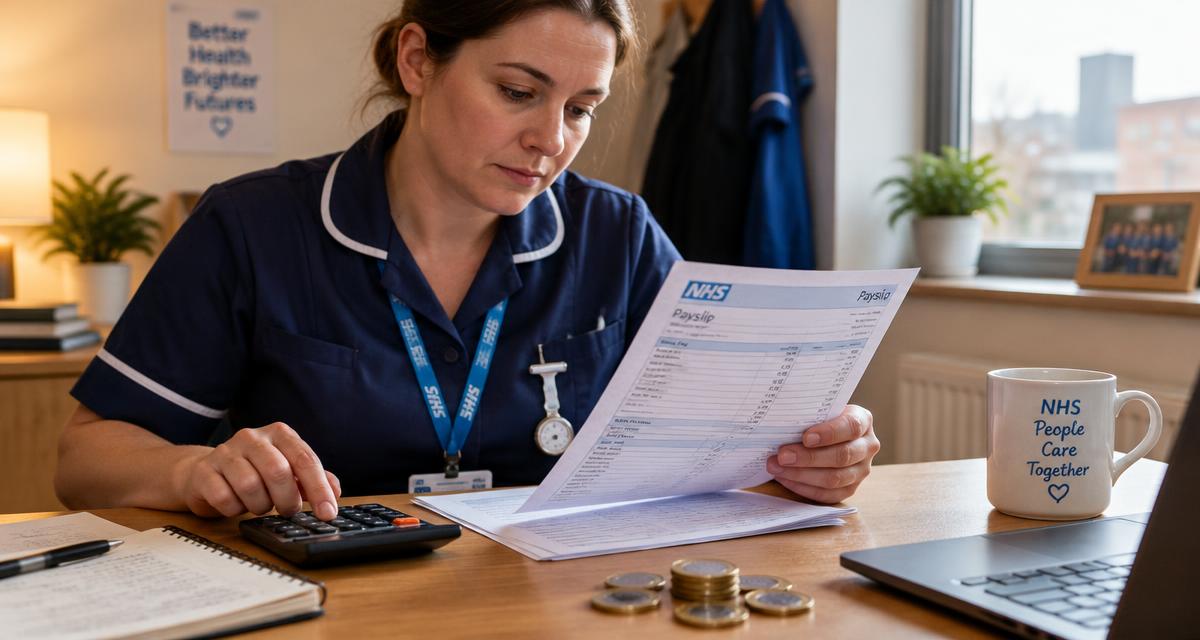
NHS industrial action has become a significant feature of the healthcare landscape in recent years. This guide provides a clear, practical overview of how strikes work, where to find reliable information on dates, and what you need to know about your pay and rights.
We are not listing specific strike dates here because they can change at short notice. Instead, we’ll show you exactly where to find the most current, official information from unions and the NHS.
How do NHS strikes work?
Industrial action is a legal tool used by trade unions to negotiate improvements in pay and working conditions for their members. It’s a serious step and is always a last resort after talks with employers and the government have broken down.
For a strike to be lawful in the UK, a union must first hold a formal ballot of its members. Strict rules govern these ballots, including minimum turnout thresholds that must be met for the action to be legal. If members vote in favour, the union gains a ‘mandate’ to call a strike. This mandate typically lasts for six months, after which a new ballot is required to continue taking action.
Different unions represent different staff groups. For example, the British Medical Association (BMA) represents doctors, while the Royal College of Nursing (RCN) represents nursing staff. This is why you often see strikes involving one group of staff but not others. In recent years, resident doctors have undertaken repeated rounds of industrial action, while nurses in England held significant strikes in 2022 and 2023.
Keeping track of strike dates and ballots
Strike dates are often announced, and sometimes postponed or cancelled, with little notice as negotiations progress. That’s why we don’t publish a calendar of dates here. The best sources for up-to-the-minute information are always the official ones.
Here’s where to look for trustworthy updates:
- Your trade union: This is the most important source. Check your union’s website, member emails, and any official social media channels. They will provide the definitive details on ballot results and confirmed dates for any action affecting you.
- NHS England: During periods of industrial action, NHS England maintains a dedicated web page with information about disruptions and confirmed strike dates for various staff groups.
- NHS Employers: The NHS Employers organisation provides guidance for trusts and managers, and their website often has detailed information and FAQs about ongoing industrial disputes.
Always be cautious about dates you see reported on social media or in news outlets, as they may be speculative or become outdated quickly. Stick to the primary sources above.
Pay deductions for strike days
It’s a simple but important fact: if you take part in a strike, you will not be paid for the time you are on strike. Your employer is legally entitled to deduct wages from your salary.
For most staff, this is calculated based on your basic daily pay. The deduction is usually 1/365th of your annual salary for each day of action, though you should always check the specific policy with your trust’s payroll department. This applies even if you were only scheduled to work part of the day. If you take strike action for any part of a shift, you typically lose a full day's pay.
This loss of pay can have a knock-on effect on other things, such as your pension contributions for that period and potentially your entitlement to certain benefits. It’s a significant consideration for anyone deciding whether to take part.
Worked example: How pay is deducted
Let’s imagine a Band 6 nurse at the top of their pay scale. Their annual salary is £42,618 (based on 2023/24 figures – always check the latest Agenda for Change pay scales).
- Annual Salary: £42,618
- Daily Pay (1/365th): £42,618 / 365 = £116.76
For each full day of strike action, this nurse could expect a deduction of around £116.76 from their gross pay. This is a simplified example; your exact deduction will depend on your specific salary, and things like high-cost area supplements are often included in the calculation. You can use an NHS take-home pay calculator to model how a reduction in your gross pay for the month will affect your net pay after tax, National Insurance, and pension contributions.
Your rights during industrial action
Understanding your rights is crucial when your workplace is affected by strikes, whether you plan to participate or not. Employment law around industrial action is complex, but here are the key principles.
Can you be disciplined or dismissed for striking?
No. If you are a member of a union that has called a lawful, balloted strike, you are protected from dismissal for taking part. This protection is strongest during the first 12 weeks of any action. It is illegal for your employer to discipline you for participating in a legitimate strike.
Do you have to tell your manager you're going on strike?
You are not legally required to inform your manager in advance that you personally will be taking part in the strike. Your union is required to give the trust formal notice that they are calling their members to strike, but individual staff do not have to declare their intentions.
Your manager may ask you if you plan to work on a strike day to help with staffing plans. You are not obliged to answer, and you can politely decline to do so. Many staff choose to simply not turn up for their shift on the day of the action, which is their right.
What about non-union members?
The legal protections for striking primarily cover the members of the union that called the action. While non-members can technically strike alongside their colleagues (this is sometimes called taking ‘unofficial action’), they do not have the same automatic protection from dismissal. If you are not in a union, the safest course of action is to work as normal. You can, however, choose to join the striking union at any point, even on the day of the strike itself, to gain protection.
What if you're on leave or off sick?
- Annual Leave: If you have pre-booked annual leave that falls on a strike day, this should be honoured. You will be on paid leave as planned and are not considered to be on strike. However, some trusts may try to cancel leave to arrange cover, so check your local policy and union guidance. It can be difficult to book new leave on or around strike days once they are announced. You can use an NHS annual leave calculator to help plan your time off around any potential disruption.
- Sickness Absence: If you are genuinely unwell and off sick on a strike day, you should follow your trust’s normal sickness reporting procedure. You should be treated as being on sick leave and receive sick pay as per your contract. You should not be considered to be on strike.
What are derogations and 'life-and-limb' care?
A common concern during NHS strikes is patient safety. This is where ‘derogations’ come in. Derogations are agreements made between unions and NHS trusts before a strike to ensure a minimum level of staffing is maintained for emergency and critical services.
This is often referred to as providing ‘life-and-limb’ care. It means that even on a strike day, services like A&E, intensive care, and emergency surgery will have staff available to care for the most seriously ill patients. The staff who work in these areas during a strike are ‘derogated’ by their union, meaning they have been given an exemption to work for safety reasons.
These are carefully negotiated locally, and the process demonstrates that even during a dispute, patient safety remains the highest priority for both unions and NHS management.
Practical considerations for the day
If you decide to strike, the main activity is withdrawing your labour – which means not attending your workplace for your scheduled shift. Many staff also choose to join a picket line.
A picket line is a demonstration that takes place at the entrance to a workplace. Its purpose is to peacefully and lawfully share information with colleagues and the public about why the strike is happening. Pickets are a visible symbol of the industrial action.
If you attend a picket line:
- It should be peaceful and respectful. The law is clear that pickets cannot block people from entering the building.
- You can speak to people entering the workplace to explain the dispute, but you cannot intimidate them.
- Your union will have an official picket supervisor who is responsible for ensuring the picket is conducted lawfully.
If you are not striking, you should go to work as planned. You may be asked to work in a different area or role than usual to help cover essential services – this is known as ‘acting down’ or ‘redeployment’. Your contract of employment will determine the extent to which you can be asked to do this. If you have any concerns, speak to your manager or your own union representative.
Key takeaways
- Industrial action is a legal process requiring a formal ballot of union members.
- Never rely on news reports for dates. Always check for the latest information directly from your trade union or the official NHS England website.
- You will not be paid for any day you are on strike, and this is typically calculated as 1/365th of your annual salary.
- You have legal protection from dismissal when taking part in a lawful strike called by your union.
- You are not legally obliged to tell your manager in advance whether you will be striking.
- Patient safety is protected through ‘derogations’, which are pre-agreed staffing levels for critical services like A&E.
- If you are not in a union or not part of the striking group, you should attend work as normal unless told otherwise.